Advanced Search

haoni3916

Active Carder
Joined
01.11.25
Messages
34
Reaction score
8
Points
8
View attachment 55608
? Dispelling Some Common Carding Myths ?


I see it every fucking day - newcomers waddling into forums clutching the same recycled bullshit they found on some sketchy Telegram channel. While these poor bastards are busy chasing ghosts actual carders are laughing all the way to their crypto wallets. Time to take a sledgehammer to the myths that are probably destroying your success rate right now.

View attachment 55610


The "Clean IP" Fantasy

Youve heard it a thousand times: virgin IPs are magical talismans that guarantee approvals, and anything "dirty" gets you instantly rejected. What a load of horseshit.

While 'clean is somewhat useful it's not the holy grail Telegram dwellers make it out to be. A lot of times the dirtiest, most flagged IPs work better than your precious "clean" ones. Mobile carrier IPs and iCloud Private Relay addresses throw red flags on paper but no merchant can afford to block them without committing financial suicide.

Entropy is your best friend. Anti-fraud systems must balance catching fraudsters against blocking legitimate customers. When an IP is shared among thousands of users, the system faces an impossible choice:
  • block it and lose millions in revenue
  • or accept the noise and let some fraud slip through
Mobile data pools are digital cesspools where thousands of devices share addresses. Anti-fraud AI cant isolate you without catching countless innocent shoppers. When Apple stamps "legitimate" on Cloudflare endpoints through iCloud Private Relay, merchants must approve these transactions despite their risk scores or block millions of high-spending Apple customers.


Meanwhile those "pristine" datacenter IPs you're paying premium for? Advanced antifraud systems have already cataloged them. They stand out precisely because theyre too clean - lacking the organic patterns that legitimate connections have. And they often already have bad records on Radar and other antifraud providers anyway.

Sometimes it's better to hide in plain sight with mobile data or Relay than use overpriced "clean" proxies. The crowd provides better cover than isolation ever could.


*** Hidden text: cannot be quoted. ***

The BIN Delusion

Forums are crawling with newbies hunting for that mystical six-digit combination that supposedly bypasses all security. Some idiots actually pay for these "magic BINs" in Telegram groups, begging "Drop your working BINs!" as if some secret number sequence is their ticket to unlimited approvals.

View attachment 55614

BINs arent magical keys. They're one tiny data point in an ocean of signals. Risk models, 3DS protocols, velocity checks, device fingerprinting, and shipping patterns all carry more weight than those first six digits youre obsessing over.

View attachment 55615

Hammering the same "working" BIN is digital suicide—you're spoon-feeding the machine learning exactly what to flag next. Transaction coherence matters more than any magic number sequence.

Your device fingerprints, AVS matching, and realistic purchase patterns will get you further than the hottest BIN list ever could.


KYC Paranoia

盗卡者担心,进行身份验证自拍照会导致某些员工保存他们的照片并记住他们的脸。这种想法误解了现代 KYC 流程的运作方式。

如今的KYC系统主要依靠自动化。你的面部图像会被转换成数学数据点。公司实际上并不会保存你的原始照片/自拍视频,而只会保留这些数据点。只有当系统检测到严重异常时才会进行人工审核,即便如此,这些系统通常也会要求提供更多文件,而审核人员每天要处理数百份验证申请,根本无法记住每个人的信息。

View attachment 55618

活体检测”只是确认您在验证过程中是否在场,而不是使用打印的照片。您应该关注的是验证材料的一致性——光线、拍摄角度以及元数据的匹配。这远比担心有人会记住您的脸重要得多。

View attachment 55617

但这并不意味着你应该把你的照片贴在所有加密货币服务平台上,然后去刷卡买价值 20 美元的以太坊。除非你有双胞胎,否则你的肖像权只属于你。所以请妥善保管。


关于已验证收货地址的迷思

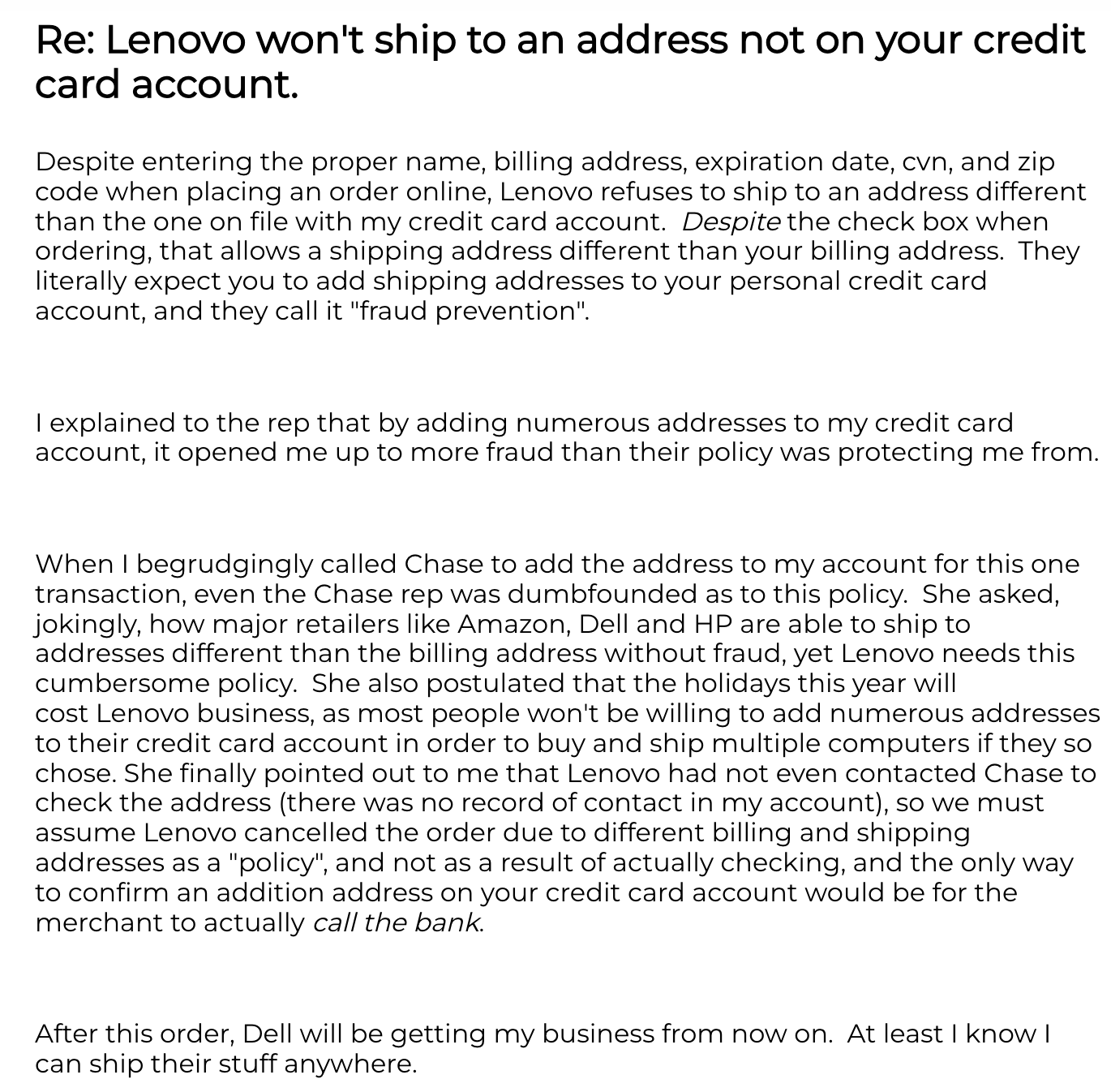
“银行会在每笔交易中验证您的收货地址”——这种误解让信用卡盗刷者错失了无数机会。事实是:对于Visa、 MastercardDiscover卡,银行只能通过支持AVS(自动验证服务)的卡片查看账单地址。收货地址永远不会传输给发卡银行。


美国运通拥有AAV/AAV+系统,持卡人可以注册备用地址,但除了奢侈品和旅游行业外,很少有商家采用这项服务。一些老牌商家可能会联系银行进行人工验证,但由于交易量巨大以及零售商与银行之间层层隔离,这种情况如今已很少发生。只有那些销售超高端商品的商家才会继续使用这种过时的安全措施,毕竟这种措施值得付出时间和金钱。


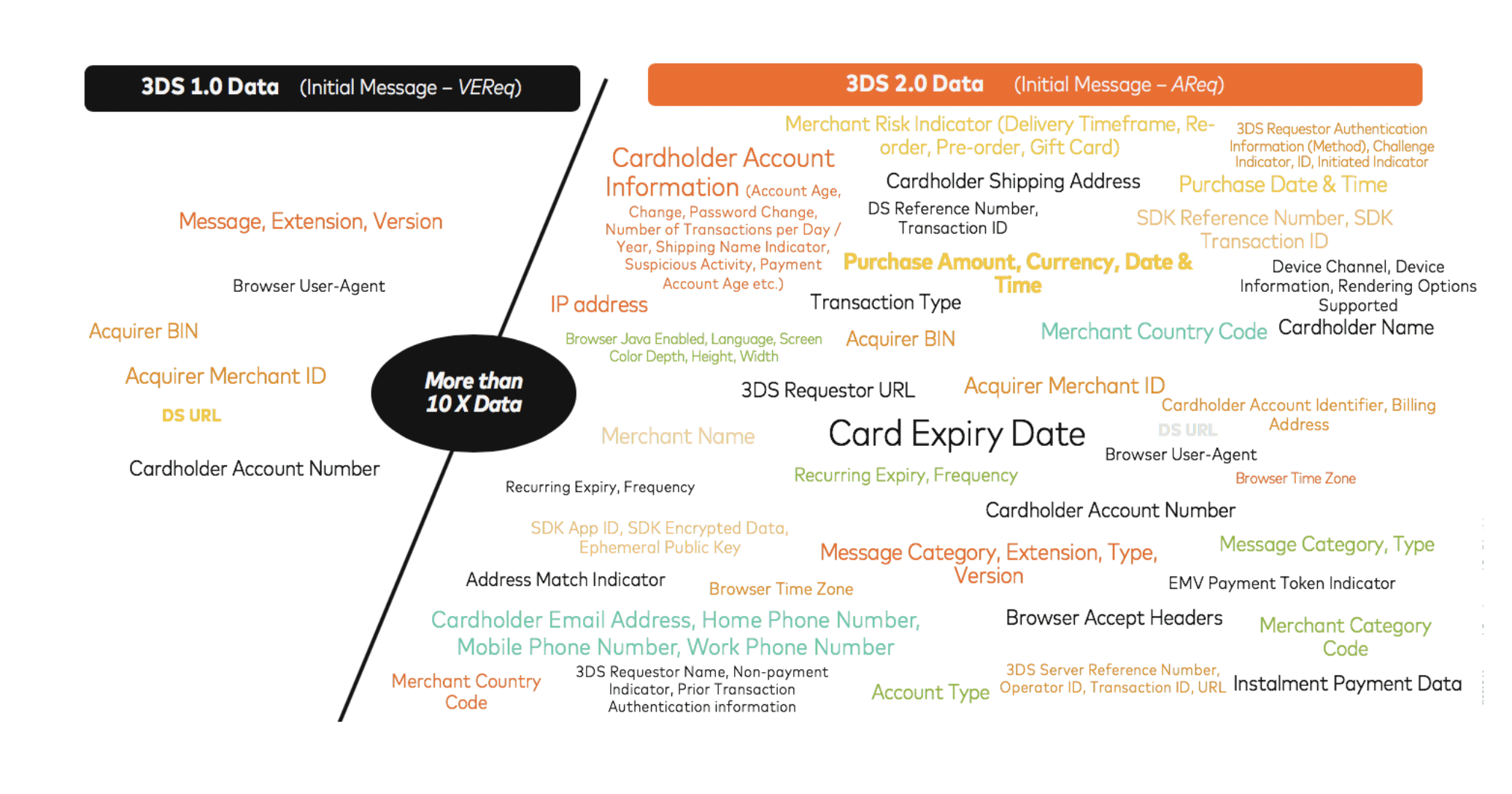
虽然3DS 2.0系统可以将物流信息纳入风险评估,但银行并不会仅凭收货地址就直接批准或拒绝交易。真正的验证是在商家端通过反欺诈规则和对过往订单的分析进行的。

当您收到“将收货地址添加到您已绑定的银行卡”之类的消息时,请务必了解其含义。这些并非具体的操作说明,而是通用的拒绝信息,提示“您的订单未通过我们的反欺诈检查”。


超越神话

在这个行业里,天方夜谭代价高昂。你所面对的欺诈防范系统由多层构成:网络规则、发卡机构的AI商户安全防护、物流情报和行为分析。依赖简单粗暴的“解决方案”只会让业余人士在社交媒体上抱怨连连,而不是专注于盈利。

掌握整个生态系统,系统地进行测试并不断调整。当有人向你兜售他们“ 100% 保证有效”的方法时,记住:如果它真的完美无缺,他们早就默默地利用它了——而不是为了蝇头小利就把它卖给陌生人。

在这个游戏中,你的“识破谎言”能力是你最宝贵的资产。先磨砺你的批判性思维,再磨砺你的工具,你或许才能活到赚到真金白银的那一天。d0ctrine 告退。
tth
 

567air

Carding Novice
Joined
26.12.25
Messages
12
Reaction score
0
Points
1
View attachment 55608
? Dispelling Some Common Carding Myths ?


I see it every fucking day - newcomers waddling into forums clutching the same recycled bullshit they found on some sketchy Telegram channel. While these poor bastards are busy chasing ghosts actual carders are laughing all the way to their crypto wallets. Time to take a sledgehammer to the myths that are probably destroying your success rate right now.

View attachment 55610


The "Clean IP" Fantasy

Youve heard it a thousand times: virgin IPs are magical talismans that guarantee approvals, and anything "dirty" gets you instantly rejected. What a load of horseshit.

While 'clean is somewhat useful it's not the holy grail Telegram dwellers make it out to be. A lot of times the dirtiest, most flagged IPs work better than your precious "clean" ones. Mobile carrier IPs and iCloud Private Relay addresses throw red flags on paper but no merchant can afford to block them without committing financial suicide.

Entropy is your best friend. Anti-fraud systems must balance catching fraudsters against blocking legitimate customers. When an IP is shared among thousands of users, the system faces an impossible choice:
  • block it and lose millions in revenue
  • or accept the noise and let some fraud slip through
Mobile data pools are digital cesspools where thousands of devices share addresses. Anti-fraud AI cant isolate you without catching countless innocent shoppers. When Apple stamps "legitimate" on Cloudflare endpoints through iCloud Private Relay, merchants must approve these transactions despite their risk scores or block millions of high-spending Apple customers.


Meanwhile those "pristine" datacenter IPs you're paying premium for? Advanced antifraud systems have already cataloged them. They stand out precisely because theyre too clean - lacking the organic patterns that legitimate connections have. And they often already have bad records on Radar and other antifraud providers anyway.

Sometimes it's better to hide in plain sight with mobile data or Relay than use overpriced "clean" proxies. The crowd provides better cover than isolation ever could.


*** Hidden text: cannot be quoted. ***

The BIN Delusion

Forums are crawling with newbies hunting for that mystical six-digit combination that supposedly bypasses all security. Some idiots actually pay for these "magic BINs" in Telegram groups, begging "Drop your working BINs!" as if some secret number sequence is their ticket to unlimited approvals.

View attachment 55614

BINs arent magical keys. They're one tiny data point in an ocean of signals. Risk models, 3DS protocols, velocity checks, device fingerprinting, and shipping patterns all carry more weight than those first six digits youre obsessing over.

View attachment 55615

Hammering the same "working" BIN is digital suicide—you're spoon-feeding the machine learning exactly what to flag next. Transaction coherence matters more than any magic number sequence.

Your device fingerprints, AVS matching, and realistic purchase patterns will get you further than the hottest BIN list ever could.


KYC Paranoia

Carders worry that doing verification selfies means some employee will save their photo and remember their face. This misunderstands how modern KYC works.

Todays KYC systems are primarily automated. Your facial image gets converted into mathematical data points. Companies never actually save your original photos/selfie videos and they only keep the mathematical representation. Human review only happens when the system flags serious inconsistencies, and even then these system typically request further documents while reviewers process hundreds of verifications daily with no way to remember individuals.

View attachment 55618

"Liveness checks" simply confirm you're physically present during verification rather than using a printed photo. Your focus should be on consistency across verification materials - matching lighting, camera angles and ensuring metadata alignment. This matters far more than worrying about someone memorizing your face.

View attachment 55617

This doesnt mean you should plaster your face across every crypto service to card $20 worth of ETH. Unless you have a twin, your likeness is yours only. So keep it safe.


The Verified Shipping Address Myth

"Banks verify your shipping address with every transaction" - this misconception has cost carders countless opportunities. Truth: For Visa Mastercard, and Discover banks only see the billing address through cards that support AVS. The shipping address is never transmitted to the issuing bank.


American Express has an AAV/AAV+ system where cardholders can register alternate addresses, but few merchants implement this outside luxury goods and travel sectors. Some older merchants might call the bank for manual verification but this rarely happens nowadays due to the sheer volume of transactions and the multiple layers separating retailers from banks. Only merchants selling ultra-premium items worth the hassle and expense still bother with this dinosaur of a security measure.


While 3DS 2.0 systems can include shipping data in risk assessment, banks don't directly approve or deny transactions based on shipping addresses alone. The real verification happens on the merchant side through antifraud rules and analysis of previous orders.

When you get messages telling you to "add your shipping address to your card on file" understand whats happening. These aren't literal instructions - theyre generic rejection messages saying "your order failed our fraud checks."


Beyond the Mythology

Fairy tales are expensive in this game. The fraud prevention system you're up against has multiple layers: network rules, issuer AI merchant security stacks, shipping intelligence and behavioral analytics. Banking on simplistic "solutions" is why amateurs rage-post instead of counting profits.

Master the entire ecosystem, test systematically and adapt constantly. When someone sells you their "100% guaranteed method," remember: if it actually worked flawlessly they'd be exploiting it silently—not hawking it to strangers for pocket change.

In this game, your bullshit detector is your most valuable asset. Sharpen your critical thinking before you sharpen your tools, and you might just survive long enough to make some real money. d0ctrine out.
 

nullptr

Carding Novice
Joined
30.12.25
Messages
8
Reaction score
0
Points
1
View attachment 55608
? Dispelling Some Common Carding Myths ?


I see it every fucking day - newcomers waddling into forums clutching the same recycled bullshit they found on some sketchy Telegram channel. While these poor bastards are busy chasing ghosts actual carders are laughing all the way to their crypto wallets. Time to take a sledgehammer to the myths that are probably destroying your success rate right now.

View attachment 55610


The "Clean IP" Fantasy

Youve heard it a thousand times: virgin IPs are magical talismans that guarantee approvals, and anything "dirty" gets you instantly rejected. What a load of horseshit.

While 'clean is somewhat useful it's not the holy grail Telegram dwellers make it out to be. A lot of times the dirtiest, most flagged IPs work better than your precious "clean" ones. Mobile carrier IPs and iCloud Private Relay addresses throw red flags on paper but no merchant can afford to block them without committing financial suicide.

Entropy is your best friend. Anti-fraud systems must balance catching fraudsters against blocking legitimate customers. When an IP is shared among thousands of users, the system faces an impossible choice:
  • block it and lose millions in revenue
  • or accept the noise and let some fraud slip through
Mobile data pools are digital cesspools where thousands of devices share addresses. Anti-fraud AI cant isolate you without catching countless innocent shoppers. When Apple stamps "legitimate" on Cloudflare endpoints through iCloud Private Relay, merchants must approve these transactions despite their risk scores or block millions of high-spending Apple customers.


Meanwhile those "pristine" datacenter IPs you're paying premium for? Advanced antifraud systems have already cataloged them. They stand out precisely because theyre too clean - lacking the organic patterns that legitimate connections have. And they often already have bad records on Radar and other antifraud providers anyway.

Sometimes it's better to hide in plain sight with mobile data or Relay than use overpriced "clean" proxies. The crowd provides better cover than isolation ever could.


*** Hidden text: cannot be quoted. ***

The BIN Delusion

GET YOUR CARDS HERE

Forums are crawling with newbies hunting for that mystical six-digit combination that supposedly bypasses all security. Some idiots actually pay for these "magic BINs" in Telegram groups, begging "Drop your working BINs!" as if some secret number sequence is their ticket to unlimited approvals.

View attachment 55614

BINs arent magical keys. They're one tiny data point in an ocean of signals. Risk models, 3DS protocols, velocity checks, device fingerprinting, and shipping patterns all carry more weight than those first six digits youre obsessing over.

View attachment 55615

Hammering the same "working" BIN is digital suicide—you're spoon-feeding the machine learning exactly what to flag next. Transaction coherence matters more than any magic number sequence.

Your device fingerprints, AVS matching, and realistic purchase patterns will get you further than the hottest BIN list ever could.


KYC Paranoia

Carders worry that doing verification selfies means some employee will save their photo and remember their face. This misunderstands how modern KYC works.

Todays KYC systems are primarily automated. Your facial image gets converted into mathematical data points. Companies never actually save your original photos/selfie videos and they only keep the mathematical representation. Human review only happens when the system flags serious inconsistencies, and even then these system typically request further documents while reviewers process hundreds of verifications daily with no way to remember individuals.

View attachment 55618

"Liveness checks" simply confirm you're physically present during verification rather than using a printed photo. Your focus should be on consistency across verification materials - matching lighting, camera angles and ensuring metadata alignment. This matters far more than worrying about someone memorizing your face.

View attachment 55617

This doesnt mean you should plaster your face across every crypto service to card $20 worth of ETH. Unless you have a twin, your likeness is yours only. So keep it safe.


The Verified Shipping Address Myth

"Banks verify your shipping address with every transaction" - this misconception has cost carders countless opportunities. Truth: For Visa Mastercard, and Discover banks only see the billing address through cards that support AVS. The shipping address is never transmitted to the issuing bank.


American Express has an AAV/AAV+ system where cardholders can register alternate addresses, but few merchants implement this outside luxury goods and travel sectors. Some older merchants might call the bank for manual verification but this rarely happens nowadays due to the sheer volume of transactions and the multiple layers separating retailers from banks. Only merchants selling ultra-premium items worth the hassle and expense still bother with this dinosaur of a security measure.


While 3DS 2.0 systems can include shipping data in risk assessment, banks don't directly approve or deny transactions based on shipping addresses alone. The real verification happens on the merchant side through antifraud rules and analysis of previous orders.

When you get messages telling you to "add your shipping address to your card on file" understand whats happening. These aren't literal instructions - theyre generic rejection messages saying "your order failed our fraud checks."


Beyond the Mythology

Fairy tales are expensive in this game. The fraud prevention system you're up against has multiple layers: network rules, issuer AI merchant security stacks, shipping intelligence and behavioral analytics. Banking on simplistic "solutions" is why amateurs rage-post instead of counting profits.

Master the entire ecosystem, test systematically and adapt constantly. When someone sells you their "100% guaranteed method," remember: if it actually worked flawlessly they'd be exploiting it silently—not hawking it to strangers for pocket change.

In this game, your bullshit detector is your most valuable asset. Sharpen your critical thinking before you sharpen your tools, and you might just survive long enough to make some real money. d0ctrine out.

tx
 

buydatabases

Carding Novice
Joined
02.01.25
Messages
10
Reaction score
2
Points
3
Last night i fuck your Mom, she moan like fucking whore. Good pussy, i not talk to boss personally otherwise I do, boss smoking so much shit sometimes he sleep and wake up in crazy town, crazy town actually real world though so he okay, probably try to bang model before he go, but he got lots of work to do, he no fucking games, long as he no fuck your mom doggy, he good man, he great man actually, like Fraklin. Franklin already fuck everyone mom already, he work for comunism anyway, putin no execute him gallows or gas chamber yet, it early today
What was that?
 

Ricoblast

Carding Novice
Joined
22.10.25
Messages
21
Reaction score
0
Points
1
View attachment 55608
? Dispelling Some Common Carding Myths ?


I see it every fucking day - newcomers waddling into forums clutching the same recycled bullshit they found on some sketchy Telegram channel. While these poor bastards are busy chasing ghosts actual carders are laughing all the way to their crypto wallets. Time to take a sledgehammer to the myths that are probably destroying your success rate right now.

View attachment 55610


The "Clean IP" Fantasy

Youve heard it a thousand times: virgin IPs are magical talismans that guarantee approvals, and anything "dirty" gets you instantly rejected. What a load of horseshit.

While 'clean is somewhat useful it's not the holy grail Telegram dwellers make it out to be. A lot of times the dirtiest, most flagged IPs work better than your precious "clean" ones. Mobile carrier IPs and iCloud Private Relay addresses throw red flags on paper but no merchant can afford to block them without committing financial suicide.

Entropy is your best friend. Anti-fraud systems must balance catching fraudsters against blocking legitimate customers. When an IP is shared among thousands of users, the system faces an impossible choice:
  • block it and lose millions in revenue
  • or accept the noise and let some fraud slip through
Mobile data pools are digital cesspools where thousands of devices share addresses. Anti-fraud AI cant isolate you without catching countless innocent shoppers. When Apple stamps "legitimate" on Cloudflare endpoints through iCloud Private Relay, merchants must approve these transactions despite their risk scores or block millions of high-spending Apple customers.


Meanwhile those "pristine" datacenter IPs you're paying premium for? Advanced antifraud systems have already cataloged them. They stand out precisely because theyre too clean - lacking the organic patterns that legitimate connections have. And they often already have bad records on Radar and other antifraud providers anyway.

Sometimes it's better to hide in plain sight with mobile data or Relay than use overpriced "clean" proxies. The crowd provides better cover than isolation ever could.


*** Hidden text: cannot be quoted. ***

The BIN Delusion

GET YOUR CARDS HERE

Forums are crawling with newbies hunting for that mystical six-digit combination that supposedly bypasses all security. Some idiots actually pay for these "magic BINs" in Telegram groups, begging "Drop your working BINs!" as if some secret number sequence is their ticket to unlimited approvals.

View attachment 55614

BINs arent magical keys. They're one tiny data point in an ocean of signals. Risk models, 3DS protocols, velocity checks, device fingerprinting, and shipping patterns all carry more weight than those first six digits youre obsessing over.

View attachment 55615

Hammering the same "working" BIN is digital suicide—you're spoon-feeding the machine learning exactly what to flag next. Transaction coherence matters more than any magic number sequence.

Your device fingerprints, AVS matching, and realistic purchase patterns will get you further than the hottest BIN list ever could.


KYC Paranoia

Carders worry that doing verification selfies means some employee will save their photo and remember their face. This misunderstands how modern KYC works.

Todays KYC systems are primarily automated. Your facial image gets converted into mathematical data points. Companies never actually save your original photos/selfie videos and they only keep the mathematical representation. Human review only happens when the system flags serious inconsistencies, and even then these system typically request further documents while reviewers process hundreds of verifications daily with no way to remember individuals.

View attachment 55618

"Liveness checks" simply confirm you're physically present during verification rather than using a printed photo. Your focus should be on consistency across verification materials - matching lighting, camera angles and ensuring metadata alignment. This matters far more than worrying about someone memorizing your face.

View attachment 55617

This doesnt mean you should plaster your face across every crypto service to card $20 worth of ETH. Unless you have a twin, your likeness is yours only. So keep it safe.


The Verified Shipping Address Myth

"Banks verify your shipping address with every transaction" - this misconception has cost carders countless opportunities. Truth: For Visa Mastercard, and Discover banks only see the billing address through cards that support AVS. The shipping address is never transmitted to the issuing bank.


American Express has an AAV/AAV+ system where cardholders can register alternate addresses, but few merchants implement this outside luxury goods and travel sectors. Some older merchants might call the bank for manual verification but this rarely happens nowadays due to the sheer volume of transactions and the multiple layers separating retailers from banks. Only merchants selling ultra-premium items worth the hassle and expense still bother with this dinosaur of a security measure.


While 3DS 2.0 systems can include shipping data in risk assessment, banks don't directly approve or deny transactions based on shipping addresses alone. The real verification happens on the merchant side through antifraud rules and analysis of previous orders.

When you get messages telling you to "add your shipping address to your card on file" understand whats happening. These aren't literal instructions - theyre generic rejection messages saying "your order failed our fraud checks."


Beyond the Mythology

Fairy tales are expensive in this game. The fraud prevention system you're up against has multiple layers: network rules, issuer AI merchant security stacks, shipping intelligence and behavioral analytics. Banking on simplistic "solutions" is why amateurs rage-post instead of counting profits.

Master the entire ecosystem, test systematically and adapt constantly. When someone sells you their "100% guaranteed method," remember: if it actually worked flawlessly they'd be exploiting it silently—not hawking it to strangers for pocket change.

In this game, your bullshit detector is your most valuable asset. Sharpen your critical thinking before you sharpen your tools, and you might just survive long enough to make some real money. d0ctrine out.

Thanks
 
Top Bottom