Monero Strengthens Spy Node Protection with Fluorine Fermi Update
Monero has released the Fluorine Fermi client update, strengthening protection against spy nodes—malicious nodes that associate IP addresses with transactions. The developers called the update "highly recommended" for all users.
A new peer selection algorithm now avoids large subnets where spy nodes most often operate, increasing connection security. Overall network stability and reliability have also been improved. This is a response to growing privacy threats that threaten Monero's core principles.
The issue became particularly acute after the Chainalysis video leak in 2024, which showed how analysts collected IP addresses through distributed nodes. In addition to Fluorine Fermi, the Monero community is promoting the Dandelion++ tool to make transaction deanonymization more difficult. This update should strengthen the network's privacy in the face of recent attacks.
The Cybercrime Investigation Bureau and the Securities Commission of Thailand raided an iris scanning parlor associated with the World project (formerly Worldcoin). The regulator claimed the company was operating without the required licenses and may be violating digital asset laws.
Worldcoin has already faced data protection claims in Kenya, Germany, and France. World claims that the WLD token offering is limited to regions where it is permitted, but Thai authorities maintain that exchanging tokens for biometric data falls under financial regulation.
According to the CCIB, approximately 100 more such illegal parlors may be operating in the country. The operation gathered evidence for arrests on charges of illegal digital asset activity and money laundering.
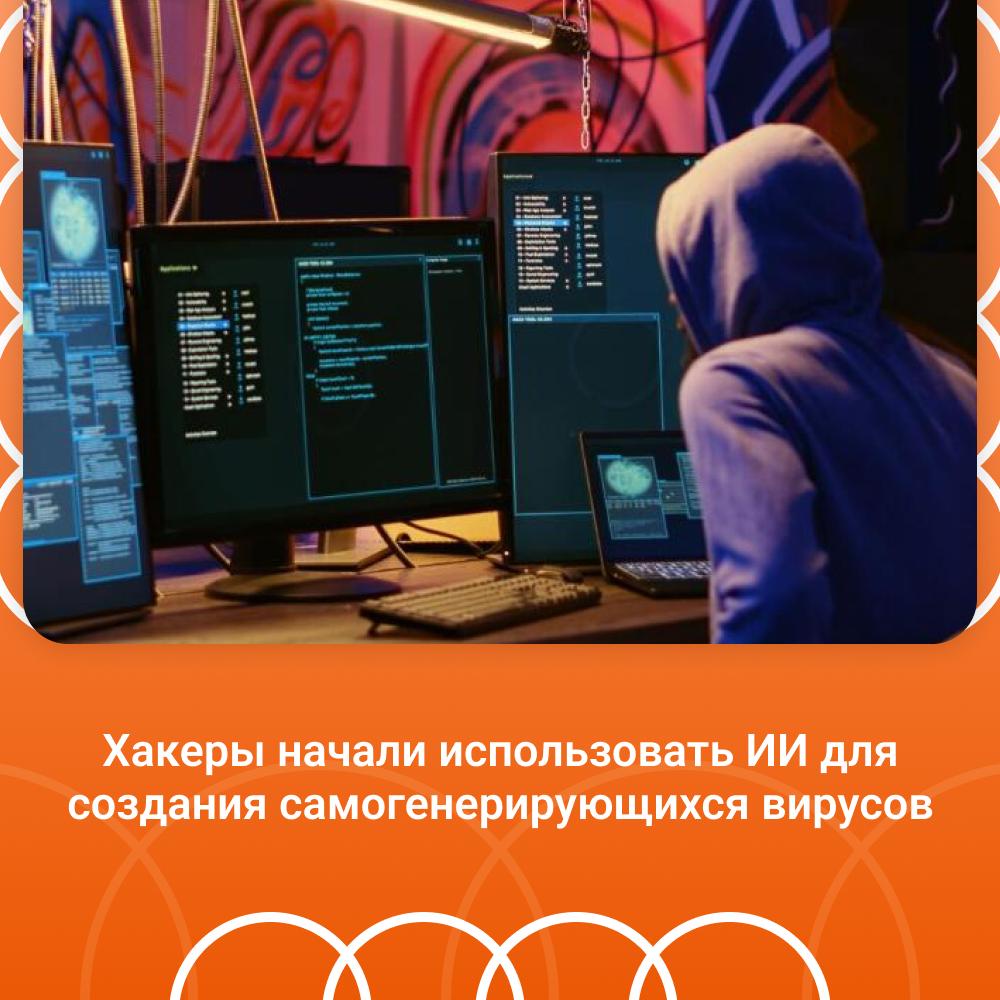
Hackers have begun using AI to create self-generating viruses.
The Google Threat Intelligence Group has discovered five malware families that exploit large language models for attacks. The new viruses dynamically rewrite their own code, create situational malicious functions, and evade defense systems.
Among the detected viruses are PROMPTFLUX, which uses Gemini to update VBScript hourly, and PROMPTSTEAL, linked to the Russian APT28, which generates Windows commands using the Qwen model. The North Korean group UNC1069 used Gemini to steal cryptocurrency from stock exchange employees.
Google warns that feeding malware logic to AI turns them into "living" programs capable of adapting and evading defenses. Experts call this a new evolution of cyberthreats that is already surpassing traditional attack methods.
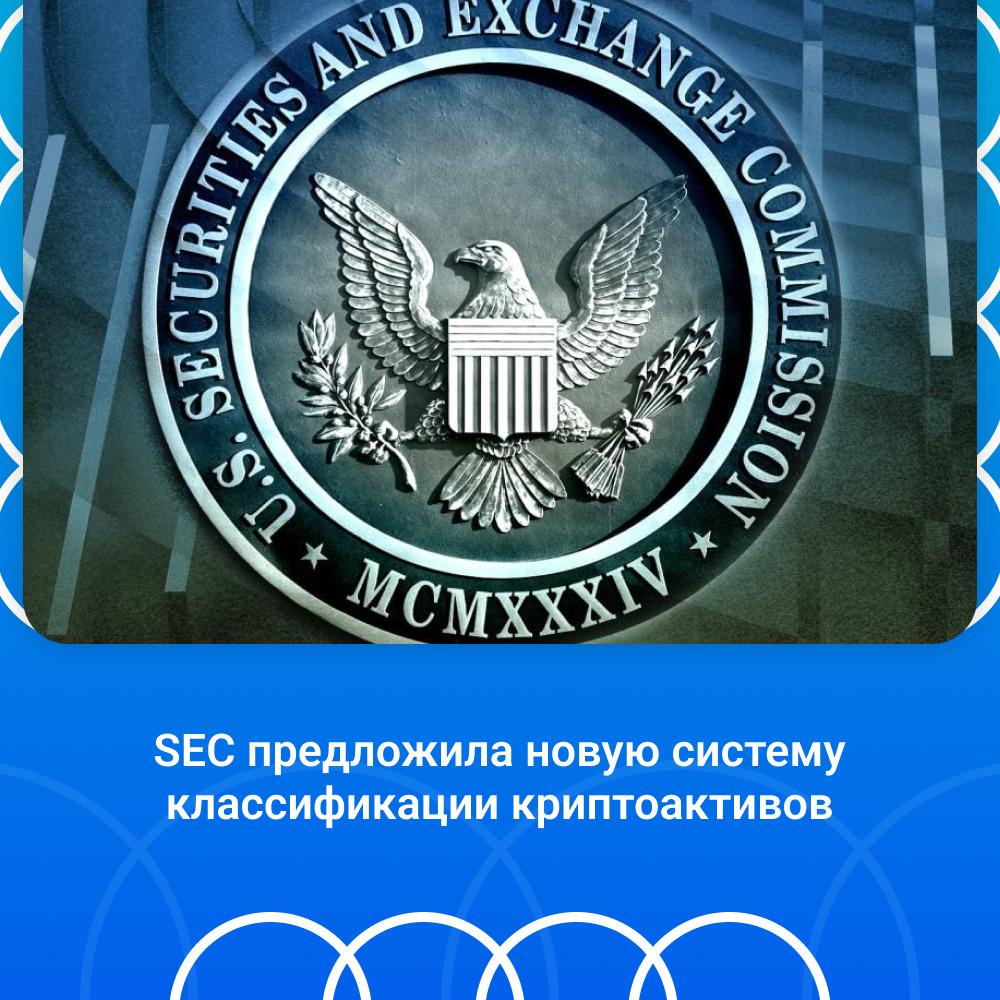
The SEC has proposed a new system for classifying cryptoassets.
The U.S. Securities and Exchange Commission (SEC) has unveiled draft guidance based on the Howey Test to determine which digital assets are securities and which are commodities. SEC Commissioner Paul Atkins stated that the new taxonomy will allow for regular review of token status as they become decentralized.
The SEC identifies three categories:
Investment contracts – assets that fall under the Howey Test and promise profits from the efforts of third parties.
Borderline cases requiring further analysis.
Decentralized assets, such as Bitcoin, which will be classified as commodities.
The degree of decentralization will be assessed based on four criteria: voting power, software development, consensus mechanism, and the absence of a central governing entity. Atkins emphasized that the document should ensure transparency and a level playing field for the market.
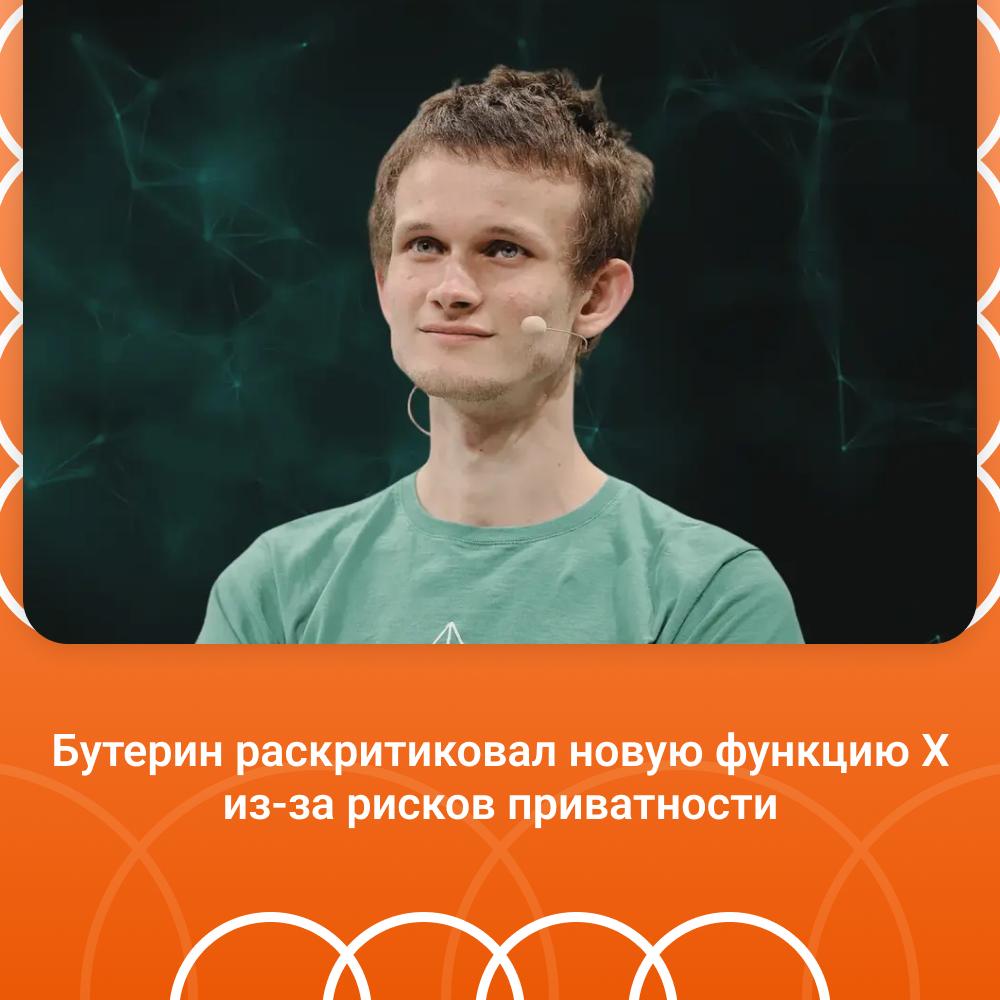
Buterin criticized the new X feature due to privacy risks.
Ethereum co-founder Vitalik Buterin called the new X feature, which automatically reveals a user's country, risky. He said it will have a short-term "cleaning" effect, but will soon allow for bypasses using foreign passports, foreign SIM cards, and proxies, making it easy to create influential fake accounts with fake geolocations.
Buterin warned that within a few months, "troll farms" will emerge, physically located in one country but labeled as US or UK accounts. He also noted the privacy risk: for some users, even minimal disclosure could be dangerous. Industry critics, including the founders of Uniswap and Cyfrin, emphasized that mandatory country visibility without warning violates basic privacy principles.
The community reminded that the crypto industry regularly faces incidents, including kidnappings and attacks, so many maintain pseudonymity not for secrecy, but for security. This feature can't be disabled; the most you can do is select the region display instead of the country.
Since January 2023, public and private companies have increased their Bitcoin holdings by 448%. According to Glassnode, total reserves have grown from 197,000 BTC to 1.08 million BTC, significantly reducing the coin's market supply.
Analysts note that the corporate sector has become a key driver of demand for digital gold. Institutions are also increasing pressure through ETFs: on December 9, net inflows into spot Bitcoin funds reached $151.74 million, $198.85 million of which came from Fidelity's FBTC.
Growing interest is also noticeable in altcoins. Ethereum ETFs attracted $177.64 million in a single day, with Fidelity's FETH leading the way. Solana-based products attracted $16.54 million in inflows, $7.78 million of which came from Bitwise's BSOL.